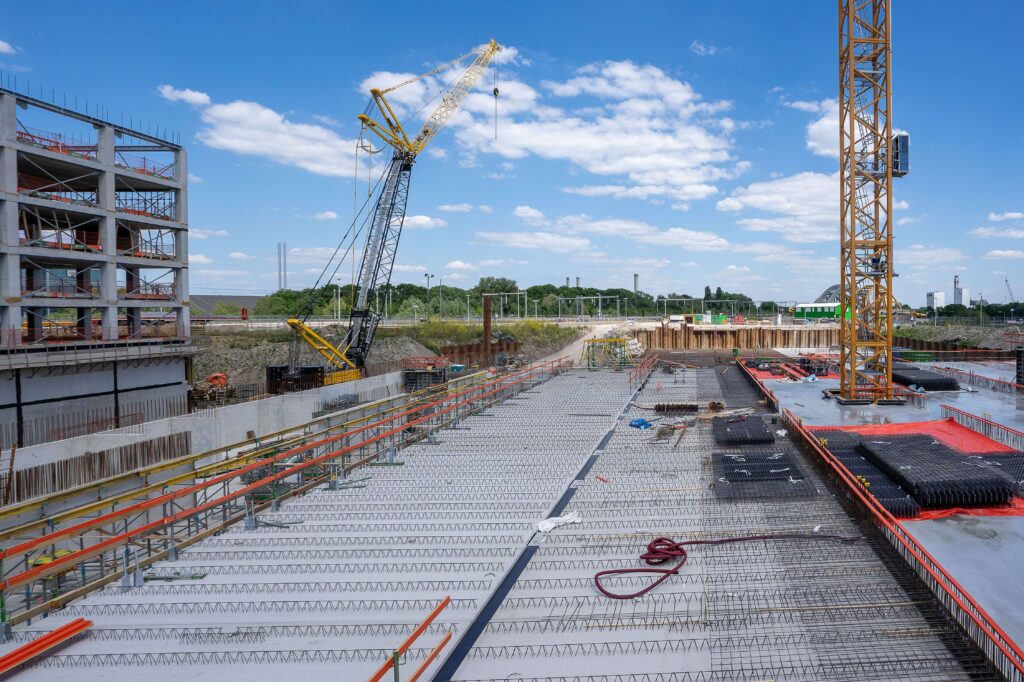
Construction Roads and Building Trends of 2026
The construction industry is entering a new era in 2026. Across the world, governments, private developers, and infrastructure companies are focusing on smarter roads, sustainable buildings, and advanced construction technologies. Rapid urbanization, climate concerns, digital transformation, and rising population demands are pushing the industry to evolve faster than ever before. From eco-friendly highways to AI-powered smart buildings, the future of construction is becoming more innovative, efficient, and sustainable.
In 2026, construction is no longer just about bricks, cement, and machinery. It is about intelligent planning, green engineering, and long-term sustainability. Roads and buildings are now designed not only for functionality but also for environmental responsibility, energy efficiency, and improved quality of life. These changing trends are transforming how cities are planned and how infrastructure is built around the globe.
.

Smart Roads Becoming the Future of Transportation
One of the biggest construction trends of 2026 is the rise of smart roads. Traditional roads are being replaced with intelligent transportation systems that improve traffic flow, safety, and durability. Governments are investing heavily in roads equipped with sensors, solar technology, and AI-based traffic monitoring systems.
Smart roads can collect real-time traffic data and communicate with connected vehicles. These roads help reduce congestion, prevent accidents, and improve fuel efficiency. Some modern highways are even designed with embedded solar panels that generate electricity while supporting transportation needs. This combination of technology and infrastructure is helping cities move toward sustainable mobility.
Another important trend is the development of self-healing roads. Engineers are now using advanced materials that automatically repair minor cracks before they become serious problems. This innovation reduces maintenance costs and extends the lifespan of roads significantly.
Sustainable Construction is Leading the Industry
Sustainability has become the core focus of the construction industry in 2026. Environmental concerns and strict government regulations are encouraging builders to adopt eco-friendly practices. Construction companies are now prioritizing green materials, energy-efficient designs, and low-carbon construction techniques.
Recycled steel, bamboo, fly ash concrete, and eco-friendly insulation materials are becoming popular choices for modern projects. These materials reduce environmental damage while maintaining structural strength and durability. Green buildings are also gaining attention because they consume less energy and lower operational costs over time.
Builders are increasingly using rainwater harvesting systems, solar energy panels, natural ventilation, and smart lighting systems in residential and commercial buildings. These features not only protect the environment but also provide long-term savings for property owners.
In many countries, governments are promoting sustainable construction by offering tax benefits and incentives for green-certified buildings. As climate awareness continues to grow, sustainable infrastructure is expected to dominate the future of construction.
AI and Automation Transforming Construction
Artificial Intelligence (AI) and automation are revolutionizing construction methods in 2026. Construction companies are using AI-powered software for project planning, cost estimation, risk analysis, and resource management. These technologies help reduce human error and improve efficiency.
Drones are now commonly used for land surveys, site inspections, and progress monitoring. They provide accurate aerial views and help engineers detect potential issues before they become expensive problems. Similarly, robotic machinery is being used for tasks such as bricklaying, excavation, and concrete pouring.
Automation is also improving worker safety. Smart helmets, wearable sensors, and AI-driven monitoring systems help identify hazards on construction sites. These technologies reduce workplace accidents and improve productivity.
Another growing trend is predictive maintenance. AI systems can analyze machinery performance and predict failures before they occur. This reduces downtime and saves significant operational costs for construction firms.
Rise of Modular and Prefabricated Buildings
Modular and prefabricated construction is becoming one of the fastest-growing trends in 2026. In this method, building components are manufactured in factories and assembled on-site. This approach saves time, reduces waste, and lowers labor costs.
Prefabricated buildings are especially popular for residential housing, offices, hospitals, and educational institutions. Since most of the work is completed in controlled factory environments, construction quality improves while project timelines become shorter.
This trend is particularly useful in rapidly growing urban areas where there is a high demand for affordable housing. Modular construction also reduces noise pollution and environmental impact at construction sites.
Developers prefer this method because it offers flexibility, faster project completion, and better cost control. As technology continues to improve, modular buildings are expected to become even more advanced and customizable.
Smart Buildings Redefining Urban Living
The concept of smart buildings is rapidly expanding in 2026. These buildings use advanced digital systems to improve energy management, security, comfort, and operational efficiency. Smart technology is changing how people interact with homes and workplaces.
Modern buildings now include automated lighting systems, intelligent climate control, facial recognition security, and voice-controlled devices. Internet of Things (IoT) technology allows different systems within a building to communicate with each other for better performance.
Energy-efficient smart buildings can automatically adjust electricity usage based on occupancy and weather conditions. This helps reduce energy consumption and operational expenses. Commercial buildings are also integrating touchless technology, especially after increased awareness of hygiene and public health.
Smart cities are encouraging the construction of connected buildings that integrate with transportation networks, utility systems, and digital infrastructure. This trend is creating more efficient and technologically advanced urban environments.
3D Printing Changing Construction Methods
3D printing is becoming a major innovation in the construction industry. In 2026, construction companies are using large-scale 3D printers to create walls, bridges, and even complete homes. This technology reduces material waste and significantly lowers construction costs.
3D printing allows architects to create complex designs that were previously difficult or expensive to build. It also speeds up construction projects and reduces dependency on manual labor.
In disaster-prone areas, 3D-printed housing is becoming an effective solution for rapid shelter construction. Governments and humanitarian organizations are exploring this technology to provide affordable housing solutions quickly and efficiently.
As the technology becomes more accessible, experts believe that 3D printing will play a major role in the future of infrastructure development.
Focus on Resilient Infrastructure
Climate change and extreme weather conditions are forcing the construction industry to focus on resilient infrastructure. Roads, bridges, and buildings are now being designed to withstand floods, earthquakes, heatwaves, and other environmental challenges.
Engineers are using advanced materials and stronger structural designs to improve durability and disaster resistance. Coastal cities are investing in flood-resistant roads and elevated infrastructure systems to reduce the impact of rising sea levels.
Resilient construction not only protects public safety but also reduces long-term repair and maintenance costs. Governments around the world are increasing investments in climate-resilient infrastructure to prepare for future environmental risks.
Conclusion
The construction roads and building trends of 2026 clearly show that the industry is moving toward a smarter, greener, and more technology-driven future. Innovations such as smart roads, sustainable materials, AI automation, modular buildings, and 3D printing are reshaping modern infrastructure development.
Construction companies that adopt these advanced trends will gain a competitive advantage in the evolving global market. At the same time, governments and developers must continue investing in sustainable and resilient infrastructure to meet future urban demands.
As cities continue to grow and technology continues to evolve, the construction industry in 2026 is not simply building structures — it is building the future of modern civilization