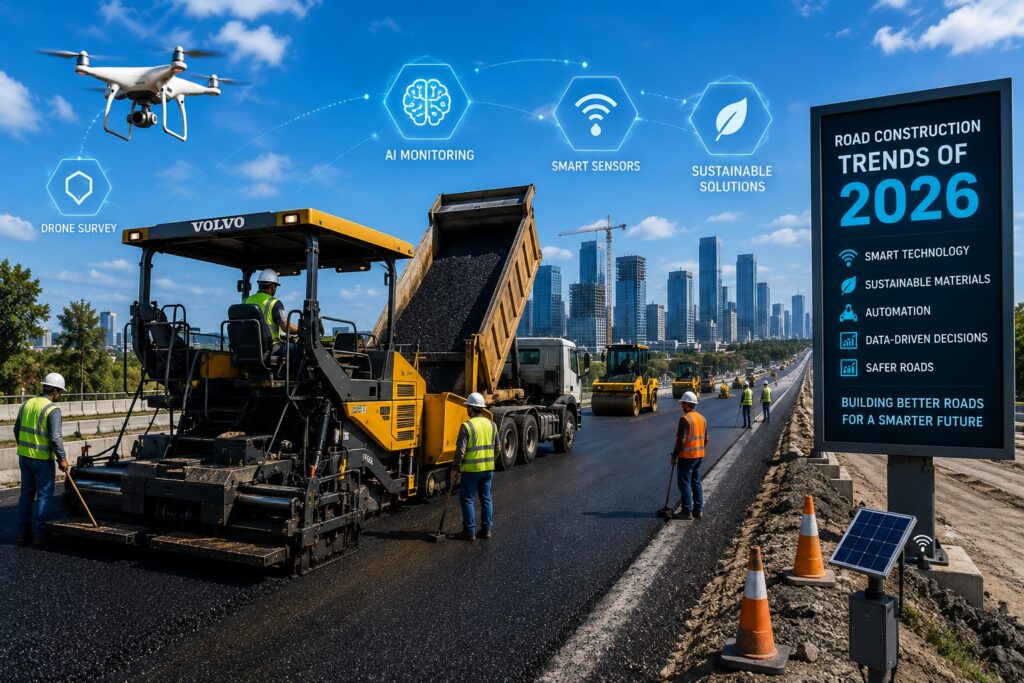
Road Construction Trends of 2026: Building Smarter, Safer, and Sustainable Roads
Introduction
Road infrastructure plays a crucial role in economic development, transportation efficiency, and regional connectivity. As countries continue investing heavily in infrastructure modernization, the road construction industry is experiencing a significant transformation. In 2026, technological advancements, sustainability initiatives, and smart infrastructure solutions are reshaping how roads are designed, built, and maintained.
Governments, contractors, engineers, and construction companies are adopting innovative approaches to meet growing traffic demands while reducing environmental impacts. From intelligent transportation systems to eco-friendly construction materials, the future of road construction is becoming smarter and more efficient than ever before.
This article explores the major road construction trends expected to dominate the industry in 2026.

1. Sustainable Road Construction
Sustainability remains one of the most influential trends in the construction sector. Road developers are increasingly focusing on reducing carbon emissions and minimizing environmental damage.
Key sustainable practices include:
- Use of recycled asphalt pavement (RAP)
- Recycled concrete aggregates
- Warm-mix asphalt technology
- Low-carbon construction materials
- Environmentally friendly drainage systems
These solutions help conserve natural resources while reducing construction costs and landfill waste. Governments worldwide are encouraging contractors to adopt greener construction techniques through regulations and incentives.

3. Artificial Intelligence in Road Construction
Artificial Intelligence (AI) is revolutionizing project planning and execution. Construction companies are using AI-powered software to optimize schedules, predict project risks, and improve resource allocation.
Applications of AI include:
- Predictive maintenance
- Traffic pattern analysis
- Equipment performance monitoring
- Project cost estimation
- Construction safety management
AI enables contractors to identify potential issues before they become expensive problems, improving project efficiency and profitability.
]
4. Automation and Robotics
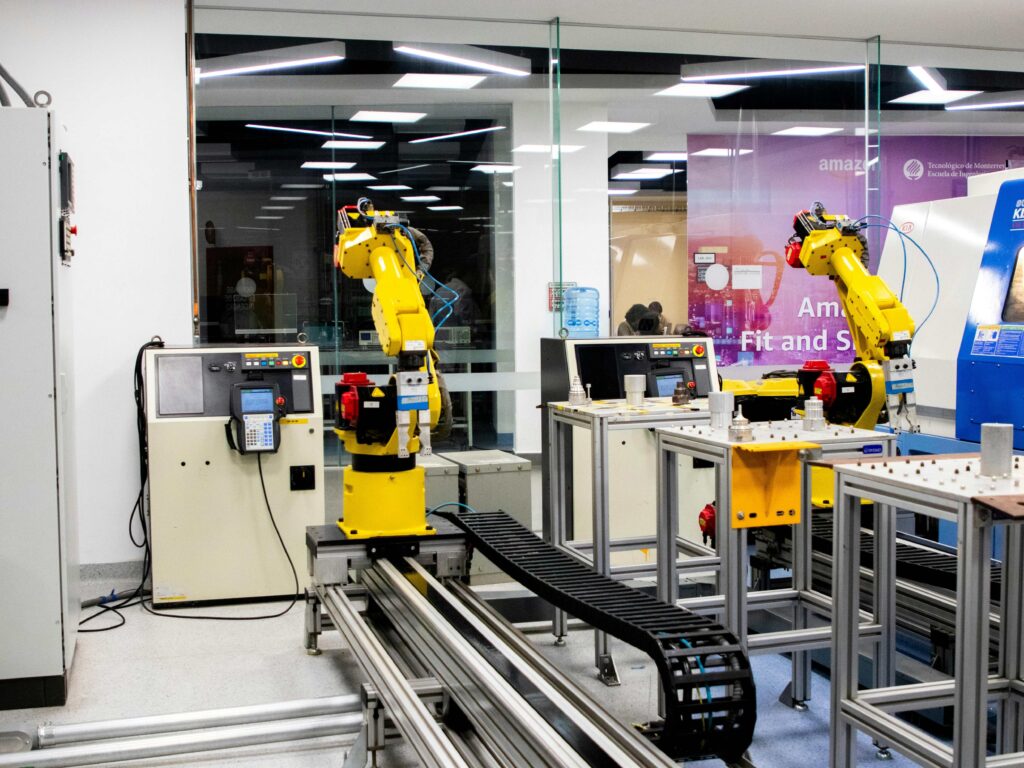
Automation continues to transform construction sites across the globe. Advanced machinery and robotic systems are helping contractors improve productivity while reducing labor-intensive tasks.
Examples include:
- Autonomous road rollers
- Automated asphalt pavers
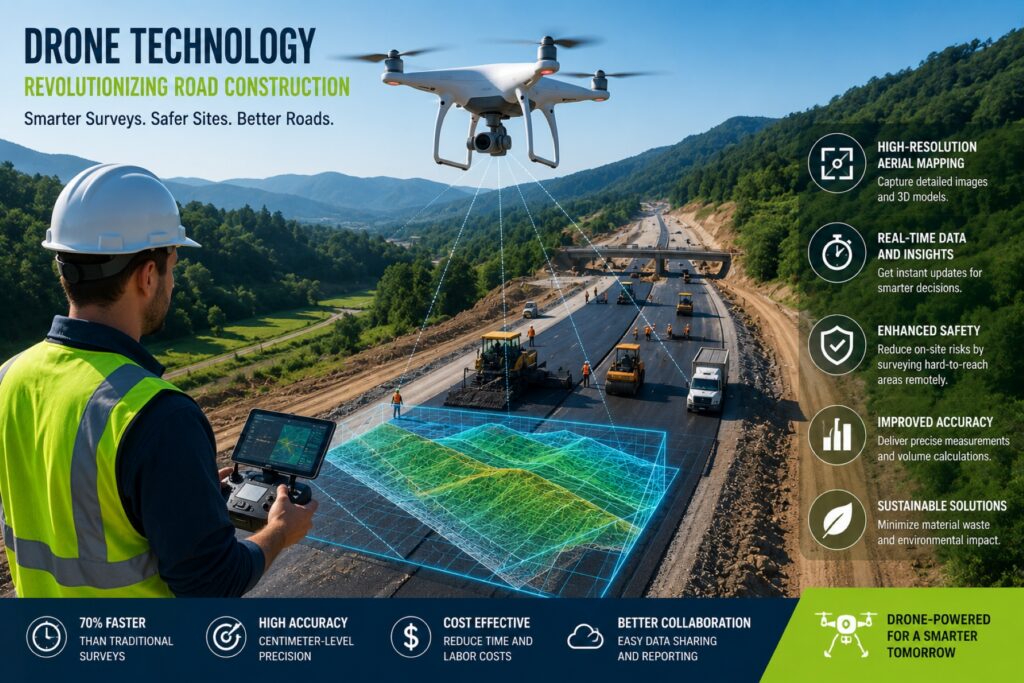
- Drone-based surveying
- Robotic inspection systems
- Self-guided construction equipment
These technologies enhance precision and reduce human errors, resulting in higher-quality road infrastructure.
5. Digital Twin Technology
Digital twins are virtual representations of physical infrastructure assets. In 2026, many road construction projects are expected to utilize digital twin technology during planning and maintenance stages.
Advantages include:
- Real-time performance monitoring
- Improved maintenance planning
- Better lifecycle management
- Accurate project simulations
- Enhanced decision-making
Digital twins help engineers predict road deterioration and implement preventive maintenance strategies before major repairs become necessary.
6. 3D Printing in Infrastructure Development
Although still emerging, 3D printing is beginning to influence infrastructure construction. The technology allows rapid production of construction components with minimal material waste.
Potential applications include:
- Drainage structures
- Roadside barriers
- Bridge components
- Custom infrastructure elements
The use of 3D printing can significantly reduce construction time and material consumption.
7. Climate-Resilient Road Design
Climate change is forcing engineers to rethink traditional road construction methods. Extreme weather events such as floods, heatwaves, and storms require more resilient infrastructure solutions.
Modern road designs now include:
- Improved drainage systems
- Flood-resistant pavements
- Heat-resistant asphalt mixtures
- Erosion control measures
- Stronger embankments
These enhancements increase infrastructure longevity and reduce maintenance expenses.
8. Advanced Pavement Technologies
Road materials are evolving rapidly to meet increasing performance requirements. Researchers are developing innovative pavement technologies that improve durability and reduce maintenance costs.
Emerging innovations include:
- Self-healing asphalt
- Permeable pavements
- High-performance concrete roads
- Polymer-modified asphalt
- Noise-reducing road surfaces
Such materials can extend pavement life while improving user experience and safety.
9. Data-Driven Construction Management
Big data analytics is becoming a vital component of road construction projects. Companies are using advanced analytics platforms to monitor equipment, labor productivity, and project performance.
Benefits include:
- Better cost control
- Improved scheduling
- Enhanced risk management
- Increased productivity
- Real-time project tracking
Data-driven decision-making enables contractors to complete projects more efficiently and accurately.